 EN
EN RU
RU AR
AR FA
FA 中文
中文 UK
UK DE
DE FR
FR ES
ES PT
PT JA
JA KO
KO HI
HI HE
HE
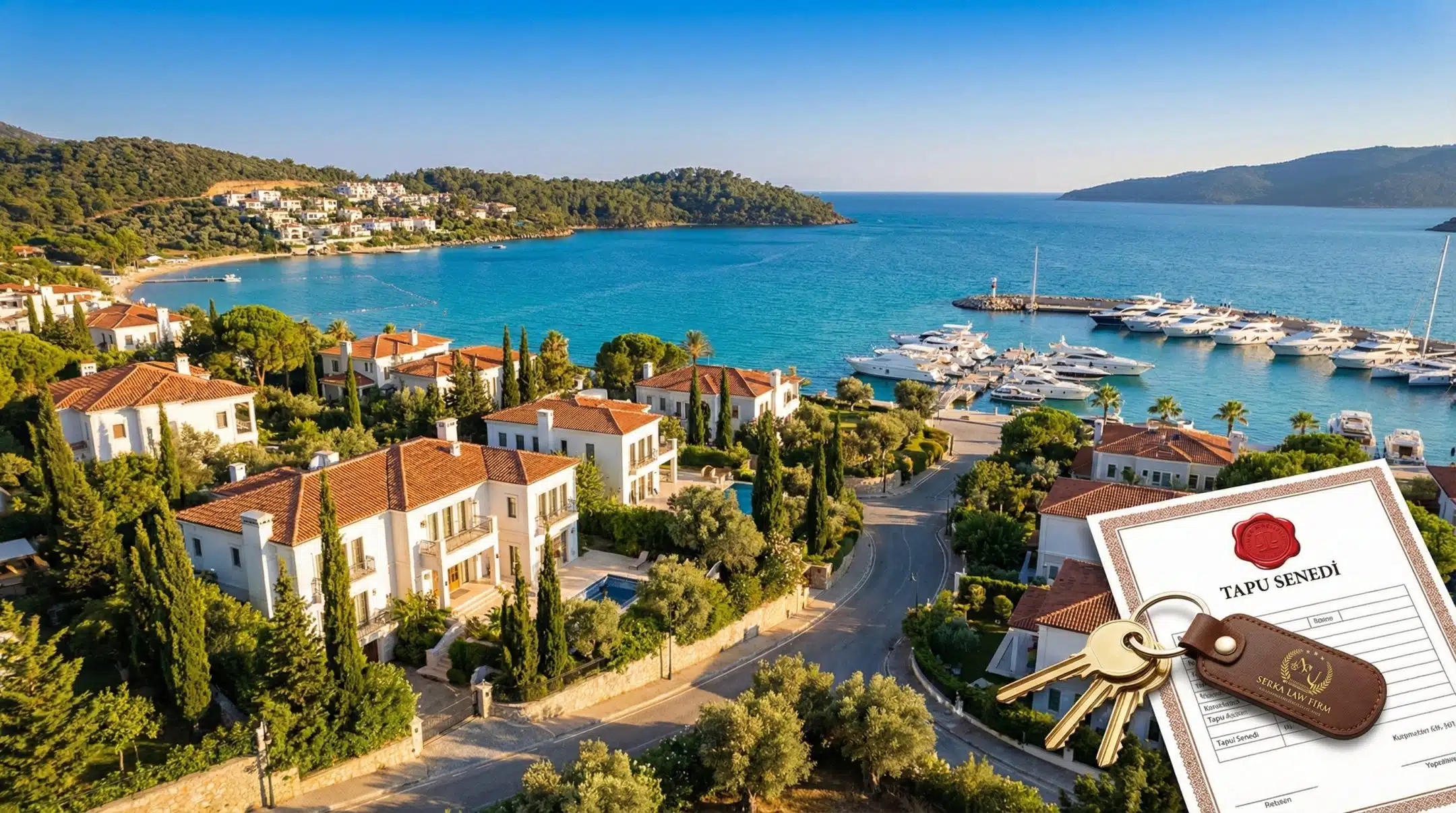
Global golden visa and CBI programs in 2026 offer distinct trade-offs. Turkey: $400,000 real estate for full citizenship in 3-6 months, 110+ visa-free countries, E-2 bridge to US. Greece: EUR 250,000-500,000 (location-dependent since 2023) for 5-year residency, Schengen access, citizenship after 7 years of residency. Portugal: EUR 500,000 investment fund (golden visa restructured 2023, real estate excluded) for residency, citizenship after 5 years with minimal physical presence. Caribbean (Dominica/Grenada): $100,000-$150,000 donation for full citizenship, 140+ visa-free countries. Key comparison factors: investment minimum, path to citizenship vs. residency, processing time, physical presence requirements, tax implications, family inclusion costs, and exit liquidity. Turkey offers the fastest full citizenship; Greece and Portugal offer EU residency leading to citizenship; Caribbean programs are most affordable. Each investor’s optimal choice depends on their mobility needs, tax situation, and long-term objectives.
Global Golden Visa Comparison Guide
Updated: 2026-02-27
Investors comparing the global migration market usually think they are comparing countries. In reality, they are comparing
legal outcomes. One route creates residence. Another creates citizenship. One route is tied to property. Another is tied to a
fund, a contribution, a business, or a regulated capital placement. One route is ideal for a family that wants time and
optionality inside Europe. Another route is ideal for a founder or internationally mobile investor who wants a direct second
passport, faster status certainty, or a treaty-country nationality that can support later U.S. planning. In 2026, the quality
of the decision depends less on the country headline and more on whether the investor understands what legal product is
actually being purchased.
The “Zero-Cost” Citizenship Arbitrage (2026 Reality)
Following the 2024 Memorandum of Agreement, Caribbean CBI programs raised their minimum entry to a strict $200,000 baseline (often $240k+ with family fees). This is a non-refundable donation. It is a sunk cost.
In contrast, the $400,000 Turkish real estate route is a recoverable asset purchase. You hold the property for 3 years, capture Istanbul’s average capital appreciation, and can liquidate the asset entirely while retaining your Turkish citizenship for life. When adjusted for capital recovery, Turkey is effectively the most capital-efficient (“zero-cost”) CBI program in the world today.
That is why the most useful comparison in the market right now is not simply “best golden visa.” The sharper question is how
the most discussed residence and citizenship routes differ when placed on the same strategic grid. Turkey, Greece, Portugal,
and the Caribbean cluster are repeatedly compared by globally mobile families because they appear to solve overlapping
problems: mobility, family inclusion, investment diversification, exit optionality, and long-range status planning. But they do
not solve those problems in the same way. Turkey is not a classic golden visa. It is a direct citizenship-by-investment
framework with multiple qualifying routes. Greece is a true investor residence structure built around property and related real
estate logic. Portugal remains a residence-by-investment route, but its official route mix is different from the older
property-first version still repeated online. Caribbean programs are direct citizenship products, yet they compete with golden
visas every day because many clients are really buying outcomes, not labels.
This guide compares those four clusters the right way: by legal product, threshold logic, time horizon, residence burden,
family strategy, E-2 relevance, and asset-risk profile. It is designed for clients who need a practical answer rather than a
brochure answer. The objective is to help the reader identify which route fits a real-world goal, whether that goal is a home
in Europe, a future EU nationality strategy, a fast second citizenship, or a cleaner platform for U.S. business entry.
Quick Answer
If the investor wants direct citizenship with a relatively fast timeline, Turkey and the Caribbean programs sit
in the strongest position. If the investor wants European residence through property, Greece remains one of the
clearest options. If the investor wants long-range EU optionality with a lighter physical presence formula,
Portugal remains highly relevant, but under the current official investment categories, not under outdated property marketing.
If the investor wants the strongest U.S. E-2 planning logic, direct citizenship in a treaty country matters far
more than residence in a treaty country. This is why Turkey and Grenada are discussed differently from Greece and Portugal,
even though all four jurisdictions appear on the U.S. treaty-country list.
In short, Greece and Portugal are residence-first products. Turkey, Grenada, Dominica, and St. Kitts and Nevis are
citizenship-first products. That distinction should drive the shortlist before anyone talks about lifestyle, climate, marketing,
or prestige.
Comparison Table
| Route | Program Type | Official Entry Threshold | Main Asset Logic | Main Outcome | Residence Requirement Logic | Best Fit |
|---|---|---|---|---|---|---|
| Turkey | Citizenship by investment | USD 400,000 real estate or USD 500,000 in several financial routes; 50-job route also exists | Property or capital allocation | Direct citizenship | No classic golden-visa residence track required to reach nationality | Investors who want direct citizenship, speed, and possible U.S. E-2 treaty-nationality utility |
| Greece | Golden visa / investor residence | EUR 250,000 / EUR 400,000 / EUR 800,000 depending on location and category | Real estate and property-category investment | Five-year renewable residence permit | Residence first; citizenship only later through the normal nationality path | Families who want a European property anchor and residence optionality |
| Portugal | Residence by investment (ARI) | Official routes include EUR 250,000 and EUR 500,000 categories depending on the route | Culture, research, qualifying funds, business investment, or job creation | Temporary residence leading to long-term residence or nationality if later rules are met | Comparatively light stay formula under the official investor route | Long-range EU planning, especially for investors who do not need day-one property acquisition |
| Grenada | Citizenship by investment | Minimum contribution of USD 235,000 | Contribution route plus approved investment structures | Direct citizenship | No classic residence-first structure | Fast citizenship and direct E-2 treaty-country analysis |
| Dominica | Citizenship by investment | US$200,000 contribution or US$200,000 approved real estate | Contribution or approved property | Direct citizenship | No classic residence-first structure | Cost-conscious direct citizenship buyers focused on mobility and family planning |
| St. Kitts and Nevis | Citizenship by investment | US$250,000 contribution routes; US$325,000 approved development; US$600,000 private sale | Contribution or approved real estate | Direct citizenship | No residency requirement according to the official program page | Investors who want direct citizenship with premium real-estate and legacy-brand appeal |
The Core Legal Distinction: Residence First vs Citizenship First
The market becomes far easier to understand once the routes are divided into two groups. Greece and Portugal are
residence-first products. They grant a lawful immigration platform that may later support a permanent residence or
nationality application, but they do not solve the nationality question immediately. Turkey and the Caribbean routes are
citizenship-first products. They solve the nationality question directly if the investor qualifies, completes due
diligence, and satisfies the route conditions.
This matters because most investor mistakes come from comparing unlike products. A family says it wants a “golden visa” when
what it actually wants is a second passport. A founder says it wants a “passport” when what it really wants is a residence
platform inside Europe. A business owner says it wants the “best option” when what it really needs is treaty-country
nationality for a U.S. strategy. These are different legal problems. They should not be solved with the same product.
Residence-first routes usually make sense when the investor wants to preserve optionality, spend limited time in the target
country, keep multiple operating bases, and maybe convert to nationality later if life or business priorities justify that
choice. Citizenship-first routes usually make sense when the investor wants status clarity quickly, wants nationality itself to
become a planning asset, or wants a route that does not depend on years of later residence counting before the final legal
outcome can even be attempted.
Turkey: Direct Citizenship, Broad Route Menu, Strong Strategic Utility
Turkey is frequently placed inside golden visa conversations because real estate is one of its most visible investment routes.
Legally, however, Turkey is not a standard golden visa. The official Invest in Turkiye page continues to frame the route as a
direct citizenship-by-investment system. The headline property threshold is USD 400,000, and several other official routes sit
at USD 500,000, including fixed capital investment, bank deposits, government bonds, qualifying investment fund shares, and
certain pension-linked contributions. There is also a 50-job route. This makes Turkey one of the broadest direct-status
systems in the mainstream market.
Turkey is strongest when the investor wants a route that can convert capital directly into nationality without a classic
residence-permit stage as the main product. The property route is especially attractive to investors who want an asset they can
understand and inspect. The financial routes are often more attractive to clients who do not want property management risk or
who want a cleaner capital-allocation story. The right route depends on the investor’s balance sheet, exit horizon, and risk
appetite rather than on any single marketing slogan.
Turkey is also unusually important because it sits on the current U.S. treaty-country list for E visas. That does not mean a
Turkish citizenship file automatically creates a successful U.S. E-2 case. A real E-2 still requires a real business,
substantial investment, treaty nationality in the principal applicant, and compliance with U.S. immigration rules. But direct
citizenship in a treaty country creates a fundamentally different strategic position from a residence permit in a treaty
country. That is why Turkey belongs in a separate category from Greece and Portugal for U.S.-oriented clients.
Greece: Real Estate Clarity, European Residence, And A Familiar Investor Story
Greece remains one of the clearest residence-first routes because the investor can still understand the core logic easily:
invest through qualifying property or a property-linked category and obtain a renewable residence permit. What has changed is
the threshold structure. The official Greek materials now make clear that there is no single national number that fits every
acquisition. Depending on the area and property category, the threshold may sit at EUR 250,000, EUR 400,000, or EUR 800,000.
This is one of the most important 2026 realities in the market because a large portion of online content still behaves as if
Greece were a single-price product.
Greece is usually the stronger route when the investor genuinely wants a European property asset and sees immigration as a
function of that property decision. This is different from investors who simply want status at the lowest possible cost. The
Greek route often works best for families that want a second home, a lifestyle foothold, or a medium-term European base while
keeping relocation optional. It is less ideal for clients who are really seeking fast nationality, a pure capital-allocation
solution without property involvement, or a day-one treaty-nationality strategy.
Greece can also be misunderstood in U.S. planning. Greece is an E-2 treaty country, but a Greek residence permit is not Greek
nationality. That means the route can be part of a very long-range E-2 strategy only if the investor later naturalizes and
becomes a Greek national. This is a completely different timeline from direct citizenship in Turkey or Grenada.
Portugal: Less Real Estate, More Strategic Optionality
Portugal remains strong in 2026 because the official investor residence route is still alive and still strategically useful.
The difference is that the route mix emphasized by the authority is now more sophisticated than many investors assume. The
official AIMA page highlights culture, research, qualifying fund subscriptions, business investment, and job creation. That is
crucial because much of the global commentary about Portugal is still built on old real-estate assumptions rather than on the
current official route architecture.
Portugal is strongest for the investor who wants a long-range EU strategy with a relatively light presence requirement and is
comfortable using a route other than a retail apartment purchase. This often makes Portugal attractive to founders, families,
fund-oriented investors, and globally mobile clients who want an EU residence path without making a lifestyle relocation their
first move. It is weaker for buyers who insist on the simplicity of a direct property title and less compelling for investors
who primarily want citizenship quickly.
Portugal also sits on the U.S. treaty-country list, but again the same distinction applies: Portuguese residence is not
Portuguese nationality. For E-2 purposes, the relevant question is nationality. This means Portugal can support a long-range
plan, but not the same kind of immediate nationality-based strategy that direct-citizenship programs can support.
The Caribbean Cluster: Direct Citizenship With Different Investment Profiles
The Caribbean routes belong in this comparison because many investors who think they are shopping for a golden visa are really
shopping for a direct mobility product. Grenada, Dominica, and St. Kitts and Nevis all continue to offer direct citizenship,
but they are not identical products. Grenada is particularly important because the official Investment Migration Agency lists a
minimum contribution of USD 235,000 and a processing window of roughly three to four months. Because Grenada is also on the
U.S. treaty-country list, it receives special attention from investors who want a direct citizenship route that can later sit
inside a U.S. E-2 strategy.
Dominica is often viewed as a cost-efficient direct citizenship option. The official CBIU page currently states a minimum
contribution starting at US$200,000 and an approved real-estate option at US$200,000. That makes Dominica especially relevant
to buyers who want a cleaner price point and do not need a residence-first structure. St. Kitts and Nevis sits in a somewhat
different position because the official program now lists multiple routes including a US$250,000 contribution-class threshold,
US$325,000 developer real estate, and US$600,000 private real estate. It remains one of the legacy brands in the citizenship
market and can appeal to investors who value program longevity, premium positioning, or a stronger real-estate component.
Caribbean programs are weakest where the investor’s true goal is a European residence base, European property lifestyle, or a
long-range EU nationality plan. They are strongest where the investor wants direct citizenship, family inclusion, and a more
immediate change in legal status.
Which Route Wins On Each Strategic Test?
Best For Direct Citizenship
Turkey and the Caribbean cluster clearly outperform Greece and Portugal because they directly address nationality. Between the
citizenship-first routes, the right answer depends on what the investor values: broader route menu and strong treaty-country
relevance in Turkey, direct contribution-based access in Grenada, cost-efficiency in Dominica, or long-standing program brand
with multiple investment structures in St. Kitts and Nevis.
Best For European Property-Led Residence
Greece is the strongest simple answer. It remains one of the clearest ways to connect a property decision to a European
residence outcome. Turkey also involves property in one route, but that route is citizenship-first and therefore serves a
different legal purpose. Portugal is no longer the cleanest answer for a property-led shortlist if the investor’s real goal is
a straightforward real-estate immigration narrative.
Best For Long-Range EU Optionality
Portugal usually stands highest because the route remains useful for investors who want a long-term EU strategy without a heavy
residence burden in the early years. Greece can also support a European optionality strategy, but its identity is more clearly
property-led and residence-led. Portugal feels more like a strategic residence framework than a property story.
Best For E-2 Planning
Direct citizenship in a treaty country matters most. That places Turkey and Grenada in a distinct class. Greece and Portugal
may become relevant only after later naturalization, which makes them slower and more contingent in any E-2 analysis. Dominica
and St. Kitts and Nevis are strong direct-citizenship products, but they do not currently carry the same treaty-country logic
as Turkey and Grenada for this specific use case.
Best For Clients Who Want Minimal Ongoing Immigration Complexity
Citizenship-first routes usually feel cleaner because the investor is not living inside a long residence-renewal story while
waiting for a future nationality step. That is one reason Turkey and the Caribbean remain so competitive even against highly
visible European golden visas.
Risk Analysis
The first major risk is choosing a route based on the wrong end goal. If the investor wants a passport and buys residence, the
legal product is misaligned from day one. If the investor wants a property base in Europe and buys a contribution-based island
citizenship, the legal product may be technically successful but strategically wrong. This is the most expensive mistake in the
market because it usually cannot be fixed without additional capital and additional time.
The second major risk is relying on stale thresholds. Greece’s current threshold logic is tiered. Portugal’s current route mix
is not the old property-heavy version many websites still repeat. Turkey’s official thresholds remain route-specific and tied
to compliance conditions such as holding periods. Caribbean programs can also change pricing, due diligence practice, and route
mechanics over time. Serious planning must therefore start with official sources, not agency copy.
The third risk is document weakness. In every serious investor migration file, source-of-funds quality, corporate-record
clarity, banking traceability, and family-document consistency now matter more than ever. High-net-worth applicants still lose
time and sometimes lose cases because their documents are assembled as a collage rather than as a coherent legal narrative.
Bottom Line
Turkey, Greece, Portugal, and the Caribbean cluster belong in the same comparison because sophisticated investors compare them
for overlapping reasons. But they should never be described as if they were the same product. Greece and Portugal are
residence-first frameworks. Turkey and the Caribbean are citizenship-first frameworks. Greece is one of the best answers for a
European property-led residence strategy. Portugal is one of the best answers for long-range EU optionality under the current
investor residence rules. Turkey is one of the strongest answers for direct citizenship with a broad route menu and treaty
country relevance. Grenada is one of the strongest Caribbean answers when E-2 logic matters. Dominica is strong where price and
direct citizenship matter more than premium positioning. St. Kitts and Nevis remains strong for investors who want direct
citizenship plus a broader set of official real-estate options.
The correct route is the one that fits the investor’s real target: residence, citizenship, property, treaty nationality,
European optionality, or speed. Once that target is stated clearly, the comparison stops being confusing and starts becoming a
legal strategy.
Frequently Asked Questions
1. Is Turkey a golden visa or citizenship by investment program?
Turkey is a citizenship-by-investment program, not a classic golden visa. Real estate is one official route, but the legal
outcome is direct citizenship rather than residence-first status.
2. Is Greece still one of the strongest real-estate-led golden visas?
Yes. Greece remains one of the clearest property-linked residence routes in Europe, but the investor should verify whether the
relevant threshold is EUR 250,000, EUR 400,000, or EUR 800,000 depending on the location and category.
3. Does Portugal still matter after the route changes?
Yes. Portugal still matters because the investor residence route remains active and useful. It simply needs to be analyzed
under the current official categories such as culture, research, funds, business investment, and job creation.
4. Which Caribbean route is best for E-2 planning?
Grenada usually receives the most attention because it is a direct citizenship route and Grenada is on the current U.S.
treaty-country list. That makes it strategically different from Caribbean routes that do not deliver the same treaty-country
benefit.
5. Is Dominica cheaper than other direct citizenship routes?
Dominica is often viewed as one of the more cost-efficient direct citizenship routes because the official page currently shows a
minimum investment starting at US$200,000. But the total cost and practical value still depend on family composition, due
diligence fees, and the investor’s real objective.
6. Is St. Kitts and Nevis still relevant in 2026?
Yes. It remains relevant because the official route structure includes both contribution and real-estate options, and because
the program has a long-standing market profile. It often appeals to investors who value brand longevity and multiple route
choices.
7. Which route is better for European relocation optionality?
Greece and Portugal are usually stronger than Turkey or the Caribbean when the immediate goal is lawful residence inside Europe
rather than direct second citizenship.
8. Can residence in Portugal or Greece be used immediately for a U.S. E-2 visa?
No. E-2 analysis depends on nationality, not on residence. Portugal and Greece become relevant only if the investor later
acquires nationality through naturalization.
9. Which route is simpler for investors who do not want years of renewal?
Citizenship-first routes are usually simpler in that respect because they do not revolve around a long residence-first pathway.
Turkey and the Caribbean therefore often look cleaner to investors who want to shorten the status timeline.
10. Is real estate always better than a fund or contribution route?
No. Real estate is better only if the investor actually wants property exposure and understands liquidity, maintenance, title,
and exit risks. A fund, deposit, or contribution route may be cleaner for investors who want status without real-estate
management complexity.
11. What is the biggest comparison mistake?
Comparing a residence permit with a passport as if they were the same product. That one mistake distorts nearly every other
decision in investor migration planning.
12. What should be verified before making a decision?
Verify the official route, threshold, family inclusion rules, holding period, residence burden, documentation list, source-of-
funds expectations, and the real outcome being purchased. If the route is property-led, verify the underlying asset just as
carefully as the immigration rules.