 EN
EN RU
RU AR
AR FA
FA 中文
中文 UK
UK DE
DE FR
FR ES
ES PT
PT JA
JA KO
KO HI
HI HE
HE
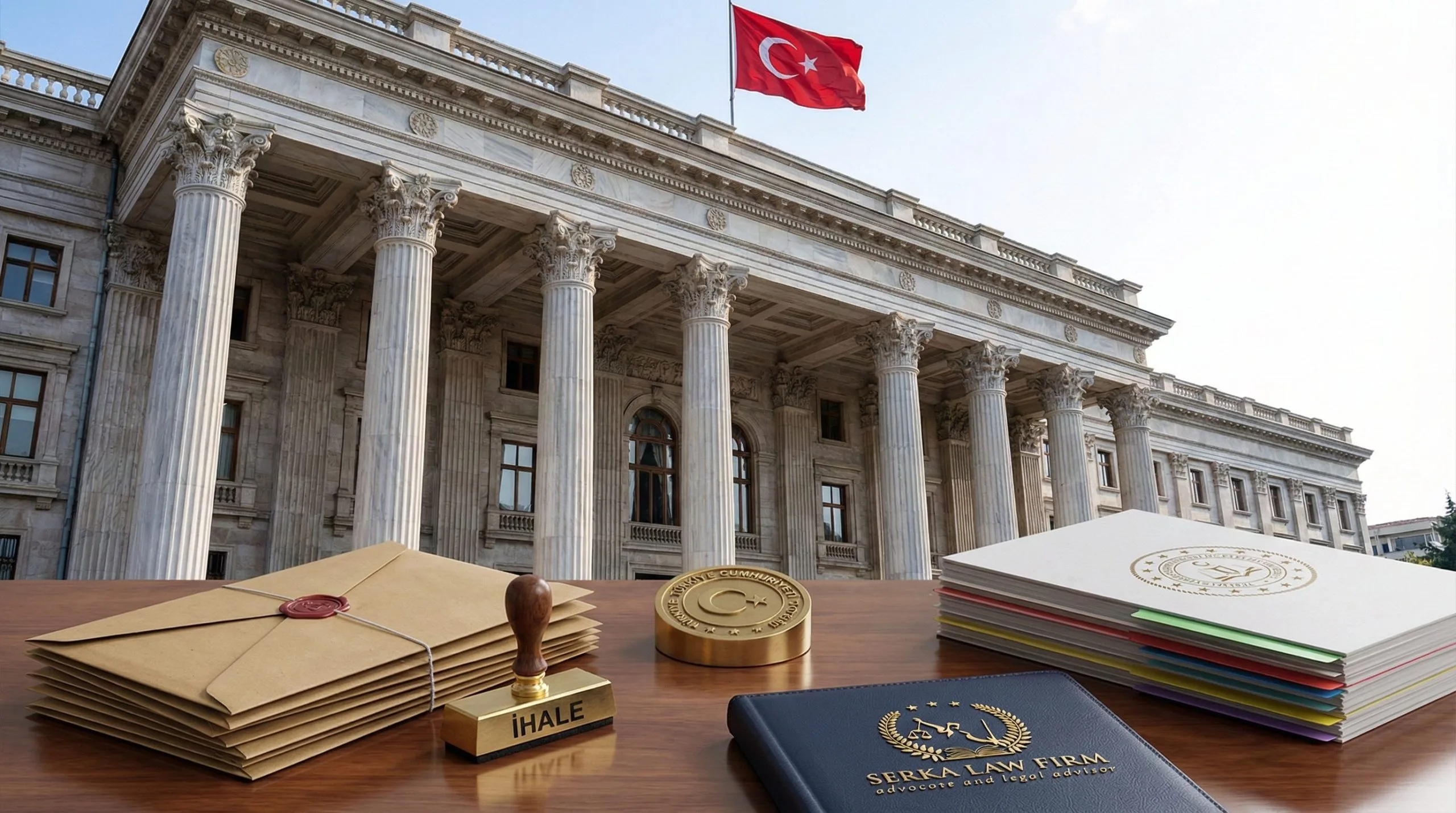
Privatization in Turkey is governed by Privatization Law No. 4046, administered by the Privatization Administration (Ozellestirme Idaresi Baskanligi). Since 1984, Turkey has privatized assets worth over $70 billion across telecommunications, energy, banking, and transportation sectors. Privatization methods include block sale, public offering, asset sale, and transfer to interested parties. Public procurement is regulated by Public Procurement Law No. 4734, which establishes open, restricted, and negotiated tender procedures. The Public Procurement Authority (Kamu Ihale Kurumu) oversees compliance. Foreign companies can participate in Turkish public tenders with equal treatment. Key legal considerations include: bid security requirements (minimum 3% of bid value), performance bonds (6% of contract value), subcontracting limitations, and dispute resolution through the Public Procurement Authority’s review process. Appeals against procurement decisions must be filed within 10 days. BOT (Build-Operate-Transfer) and PPP (Public-Private Partnership) models are used for infrastructure projects.
Privatization & Public Procurement
In today’s ever-evolving economic landscape, Turkey has embraced a model that merges public and private sectors to deliver essential services and infrastructure projects. Privatization and public procurement in Turkey operate under the complex interplay of business law and public procurement law, impacting both the domestic and international business landscapes. Privatization, the process by which government-owned enterprises and assets are transferred to the private sector, is guided by specific legal frameworks intended to enhance efficiency, stimulate competition, and attract foreign investment. Business law in Turkey, encompassing regulations on corporate governance, competition, and investment, provides a foundational structure for this transition, ensuring that privatization efforts align with national economic goals and international standards. Conversely, public procurement law governs the acquisition of goods, services, and works by public authorities and institutions. Aimed at ensuring transparency, fairness, and competitiveness, these laws are critical for maintaining integrity and public trust in government expenditures. As Turkey continues to modernize its economy, the harmonization of its public procurement and business laws with European Union standards remains a pivotal aspect of its legal reforms, influencing both local and international business practices within the country. This legal framework not only supports Turkey’s economic development but also bolsters its position as a competitive market in the global arena.What is PPP (Public-Private Partnerships)?
A Public-Private Partnership (PPP) is a collaborative venture between the government and private sector entities to finance, design, construct, and operate public assets and services.Key characteristics of PPPs:
- Risk Sharing: Risks associated with the project are shared between the public and private sectors based on expertise and risk tolerance.
- Long-term Commitment: PPPs typically involve long-term contracts, ensuring stability and project completion.
- Value for Money: PPPs aim to achieve best value for public funds by leveraging private sector efficiency and expertise.
The Basics of Privatization & Public Tenders
Privatization refers to the transfer of ownership and operation of state-owned assets to the private sector. This can involve selling government assets, franchises, or concessions to private companies. Public tenders, also known as public procurements, are a transparent and competitive process by which government agencies acquire goods, services, or works from qualified private firms. Companies submit bids outlining their qualifications and proposed prices, with the winning bid typically awarded based on a pre-defined set of criteria.Understanding Public Tender Processes
Public tender processes in Turkey adhere to specific regulations outlined in the Public Procurement Law No. 4734 (the “Law”). The Law establishes various tender procedures depending on the project’s value and complexity. Here’s a simplified breakdown:- Open Procedure: The most common method, open to all interested bidders who meet the eligibility criteria.
- Restricted Procedure: Only pre-selected bidders are invited to participate, often used for complex projects requiring specialized qualifications.
- Negotiation Procedure: Involves negotiations with shortlisted bidders after an initial selection process.
- Innovation Partnership: Encourages the development of innovative solutions by partnering with the private sector for research and development.
Guide to Public Procurement Laws
The Public Procurement Law No. 4734 governs public procurement in Turkey. Key aspects include:- Transparency: All stages of the tender process must be conducted transparently, with clear communication and documentation.
- Equal Treatment: All qualified bidders must be given a fair and equal opportunity to compete.
- Non-Discrimination: The process must be free from discrimination based on nationality or origin.
- Value for Money: The objective is to procure goods, services, or works at the best possible value for public funds.
Public Private Partnerships in Turkey
The Turkish government actively promotes PPPs for various infrastructure projects, including:- Transportation: Construction and operation of roads, bridges, airports, and railways.
- Energy: Development and management of power plants and transmission lines.
- Healthcare: Building and operating hospitals and other healthcare facilities.
- Education: Construction and maintenance of schools and universities. PPPs offer several advantages for Turkey’s infrastructure development:
- Mobilization of Private Sector Investment: PPPs leverage private sector funds to supplement public finances for large-scale projects.
- Efficiency and Expertise: The private sector often brings superior efficiency and expertise in project management and construction.
- Innovation: The PPP model can incentivize innovation in project design and delivery.
Public Sector Procurement Frameworks
The Turkish government implements procurement frameworks to ensure efficient and effective public spending. These frameworks include:- E–Procurement System: An online platform for publishing tender announcements, receiving bids, and evaluating proposals electronically.
- Standard Bidding Documents: Pre-defined templates for tender documents to streamline the process and ensure consistency.
- Capacity Building Programs: Initiatives to train public officials on best practices in public procurement.
Modernizing Public Procurement
Turkey’s public procurement system is undergoing continuous modernization efforts to enhance transparency, efficiency, and competitiveness. Here are some key initiatives:- Streamlining Procedures: Simplifying tender documents and reducing administrative burdens for both public authorities and bidders.
- Enhancing Competition: Encouraging wider participation in tenders by domestic and foreign companies.
- Leveraging Technology: Further integrating e-procurement platforms and utilizing data analytics to improve decision-making.
Challenges and Considerations in Public Procurement & PPPs
While Public-Private Partnerships (PPPs) and public tenders offer significant benefits, they also present certain challenges that require careful consideration.- Project Selection: Identifying suitable projects for PPPs is crucial. Projects with clear revenue streams and well-defined risks are better suited for this model.
- Risk Allocation: The allocation of risks between the public and private sectors needs to be fair and balanced to ensure project success.
- Contract Management: Effective contract management is essential to ensure both parties fulfill their obligations throughout the project lifecycle.
- Transparency and Accountability: Maintaining transparency and accountability throughout the PPP process is critical to build public trust and prevent corruption.
The Role of Lawyers in Public Procurement & PPPs
Navigating the complexities of public procurement and PPPs in Turkey requires specialized legal expertise. Serka Law’s lawyers can assist you in various aspects, including:- Tender Preparation: We help companies prepare competitive bids that meet all legal and technical requirements.
- Contract Negotiation: Our lawyers ensure your company’s interests are protected during contract negotiation with public authorities.
- Dispute Resolution: In case of disputes arising from public tenders or PPP agreements, we provide legal representation and advocate for your rights.
- Regulatory Compliance: We advise clients on all relevant public procurement laws and regulations to ensure compliance throughout the process.