 EN
EN RU
RU AR
AR FA
FA 中文
中文 UK
UK DE
DE FR
FR ES
ES PT
PT JA
JA KO
KO HI
HI HE
HE
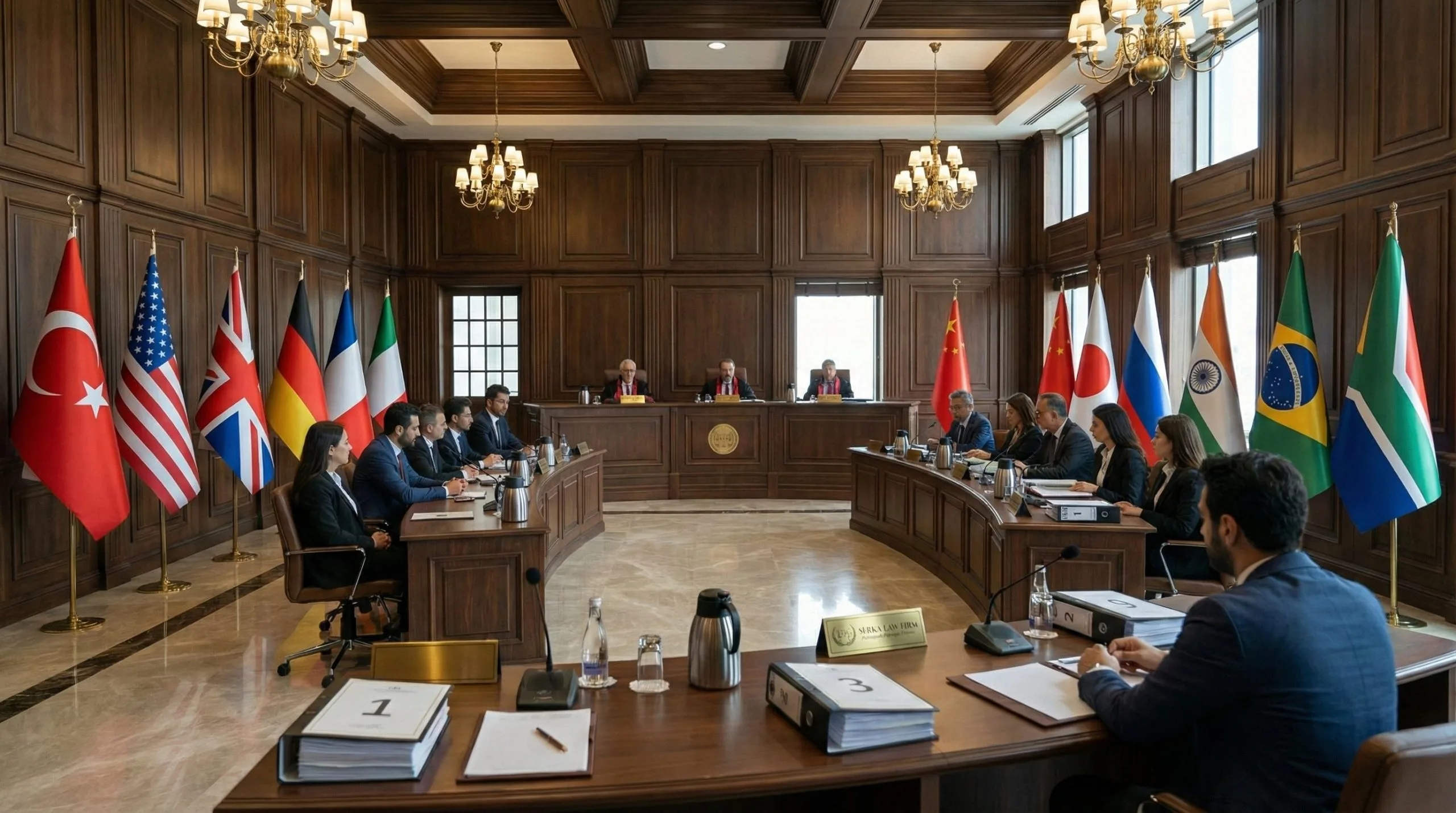
Turkey-linked arbitration strategy usually turns on clause design, seat selection, interim relief, and award enforcement more than on abstract arbitration theory. Law No. 4686, the New York Convention, ISTAC positioning, and Turkish-court asset-preservation options all matter once the dispute has real commercial weight.
Quick Answer
Most arbitration pages explain what arbitration is. That is not enough for a high-intent client. The real commercial questions are more precise: Should this dispute go to arbitration at all? Is the clause enforceable? Which institution, seat, and governing law combination best protects the client? What happens if emergency relief, jurisdiction objections, or award enforcement become the real battleground?
This is a service-first page for companies, investors, and international counterparties that need strategic dispute planning, not generic education. The value is not in reciting arbitration theory. It is in reducing commercial risk before a claim is filed and controlling the forum strategy once the dispute is live.
Who This Is For
- companies drafting or renegotiating arbitration clauses
- investors and shareholders preparing for cross-border disputes
- parties already facing notice of arbitration, jurisdiction objections, or emergency applications
- businesses comparing arbitration with Turkish court litigation
- award creditors or respondents planning recognition, challenge, or enforcement steps
When You Need Legal Help
Counsel should be involved: – before signing a contract with an arbitration clause that has not been stress-tested – once a dispute is brewing and internal teams need forum and leverage analysis – when a counterparty files or threatens arbitration – when interim measures, asset preservation, or injunction strategy matters – when the outcome depends on enforcing or resisting an award in Turkey
Current Rule Anchors
- Turkey’s International Arbitration Law No.
4686still governs arbitrations with a foreign element and leaves key room for party autonomy on clause design, seat, and procedure. - The clause has to keep four questions separate: institution, seat, governing law, and arbitrator appointment path. Treating those as one vague “international arbitration” choice is where expensive disputes start to drift.
ISTACandICCare not interchangeable labels. They carry different procedural rules, emergency tools, costs, and case-management expectations.- Even where the seat is abroad, Turkey-linked disputes may still require Turkish-court work for interim relief, evidence pressure, or award-enforcement steps.
Decision Matrix
| Situation | Best legal starting point | Why it matters |
|---|---|---|
| Contract still under negotiation | Clause-drafting review | Bad clauses create expensive procedural fights later |
| Dispute already active | Forum and leverage analysis | Filing too early or in the wrong forum can damage the case |
| Multi-party or multi-contract dispute | Jurisdiction and consolidation review | Fragmented disputes increase cost and inconsistency |
| Emergency commercial pressure | Interim-measures strategy | Timing and forum coordination matter immediately |
| Award issued | Enforcement or resistance planning | The dispute often continues after the award |
Step-by-Step Process
-
Review the transaction and dispute architecture
We identify the contract stack, governing-law issues, dispute scope, and the practical leverage points. -
Test the clause and forum mechanics
Not every arbitration clause is commercially workable. The drafting can determine cost, speed, and enforceability. -
Build the merits and procedure strategy together
Forum decisions cannot be separated from the merits. Document management, witness planning, expert need, and interim relief posture should be coordinated from the start. -
Manage the proceeding
We structure the case around deadlines, pleadings, evidence, hearing strategy, and negotiation leverage. -
Plan the post-award stage early
If enforcement, challenge, or settlement pressure is likely, it should shape the strategy before the tribunal closes the record.
Documents and Evidence Needed
- contract set, amendments, annexes, and dispute-resolution clauses
- correspondence, notices, meeting records, and performance history
- invoices, payment history, and damages records
- technical evidence, industry records, and expert-facing materials
- asset and enforcement intelligence where recovery risk exists
Mistakes That Cause Delay or Loss
- copying an arbitration clause without testing seat, institution, language, and governing-law fit
- treating arbitration as automatically faster or cheaper in every dispute
- filing before securing a coherent documentary record
- ignoring parallel court, injunction, or enforcement exposure
- waiting until after the award to think about recovery or resistance strategy
Why This Page Is Different
This page speaks to commercial decision-makers, not just lawyers. The buying intent is strongest when the user is choosing between risk paths: arbitrate, litigate, negotiate, or restructure the dispute. That is why it keeps returning to business exposure, enforceability, speed, confidentiality, and recoverability.
CTA
Ask Serka for an arbitration strategy review before filing or responding. A focused review can test the clause, forum, leverage position, interim-measures options, and enforcement path in one workstream.
FAQ
Is arbitration always better than litigation in Turkey?
No. The better forum depends on the clause, the counterparty, urgency, enforcement goals, evidence profile, and cost-to-value ratio of the dispute.
What is the most common arbitration mistake before a dispute starts?
A weak or inconsistent dispute-resolution clause. Many later procedural fights are created at contract stage, not at claim stage.
Should award enforcement be considered before the arbitration begins?
Yes. If recovery is the goal, enforcement geography and counterparty asset reality should shape the strategy from the start.
Can Serka help even if the arbitration is seated outside Turkey?
Yes. Turkey-linked disputes often require Turkish-law input, evidence coordination, interim relief strategy, or later enforcement work even when the seat is elsewhere.