
Guide to a Second Citizenship
Citizenship by Investment Country Comparison: What Each Program Buys and Costs in 2026
Read from each government’s own instrument, nine States grant citizenship for a qualifying investment in 2026, namely Türkiye, Dominica, St Kitts and Nevis, Saint Lucia, Grenada, Antigua and Barbuda, Vanuatu, Egypt and Jordan; Greece sells a five-year residence permit, not citizenship; and Malta, Cyprus and Montenegro have closed. The lowest published figure for full citizenship is Dominica’s US$200,000 contribution to its Economic Diversification Fund. Türkiye’s lowest is USD 400,000 in real estate, which the buyer owns and may sell once the three-year hold on the title deed ends.
Türkiye is the program this firm knows most deeply, and every other program on this page is taken with the same care. Its seven routes are fixed in Article 20 of the Implementing Regulation of the Turkish Citizenship Law, citizenship is granted by Presidential decision under Article 12(b) of Law No. 5901, and the spouse and the children who are minors or dependent join the same application with no extra investment. There is no residence requirement, no language exam and no interview, only one short biometric visit; on a well-prepared file the passport follows in three to four months, inside an official framework of three to six months.
Av. Serkan Kara · Serka Law Firm · Updated 30 September 2026
Do you need a citizenship by investment lawyer?
A citizenship by investment lawyer answers for the file before the authority that decides it, and on every program the file turns on the same four questions: is the program open under its own current instrument, does it accept the applicant’s nationality, can the source of the money be proved, and do the family papers hold. The first two change without notice: Malta, Cyprus and Montenegro have closed, and St Kitts and Nevis, for one, excludes nationals of Russia and Belarus, so a program is read at its official source on the day the investor commits, never from a brochure. Turkey’s citizenship statute does not make a citizenship by investment lawyer mandatory, but the file is decided on documents, and the documents are where applications fail: the valuation chain, the source of funds, the bank’s foreign exchange record and the family papers. In Turkey, the program this firm knows most deeply, the figures are USD 400,000 in real estate or USD 500,000 through the capital routes, the spouse and the minor or dependent children join the same application at no extra investment, and a well-prepared file reaches the passport in three to four months. The firm’s founding advocate is Av. Serkan Kara, and the Turkish file, with what the banks wrote to us in 2026 and the document route from the investor’s own country, is set out on our citizenship by investment lawyer page. On a Turkish property file the seller, the unit’s citizenship history, the charges on the deed and the valuation are read before the purchase, while there is still time to walk away.

How do citizenship by investment programs compare in 2026?
Every figure below is the authority’s own published minimum, taken from its instrument or its official unit; where a State publishes no figure, the table carries none. No visa-free count appears, because none of these authorities publishes one; for a Turkish passport the Ministry of Foreign Affairs lists the visa rule destination by destination.
| Program | What the investment buys | Published minimum by route | Holding period | Deciding authority |
|---|---|---|---|---|
| Türkiye | Citizenship, by Presidential decision | USD 400,000 real estate; USD 500,000 bank deposit, fixed capital, government debt instruments, real estate or venture capital fund units, or private pension; or 50 jobs | 3 years on real estate, deposit, debt instruments, fund units and pension; none on fixed capital or employment | The route’s ministry or regulator certifies the investment; the President grants citizenship |
| Dominica | Citizenship | US$200,000 Economic Diversification Fund; US$200,000 approved real estate plus a US$75,000 government fee | Real estate 3 years from the grant, 5 if sold to another applicant | Citizenship by Investment Unit, S.R.O. No. 8 of 2024 |
| St Kitts and Nevis | Citizenship | US$250,000 Sustainable Island State Contribution or Public Benefit Option; US$325,000 approved development; US$600,000 private real estate | Development real estate resaleable after 7 years | Citizenship by Investment Unit, S.R.O. No. 20 of 2024 |
| Saint Lucia | Citizenship, with residency and genuine link requirements since 1 January 2026 | US$240,000 National Economic Fund; US$250,000 Cabinet-approved enterprise project; US$300,000 approved real estate or National Action Bond (plus a US$50,000 fee on the bond); US$500,000 built apartment or villa; US$3,500,000 private enterprise | Real estate 5 years after the grant; bond 5 years from first issue | Citizenship by Investment Unit |
| Grenada | Citizenship | US$235,000 National Transformation Fund; US$350,000 approved project plus a US$50,000 government contribution; US$270,000 shared tourism unit | Project route 5 years from the grant | Investment Migration Agency, S.R.O. No. 15 of 2024 |
| Antigua and Barbuda | Citizenship, with five days in the country within five years | USD 230,000 National Development Fund; USD 260,000 University of the West Indies fund; USD 300,000 approved real estate; USD 1,500,000 business | Real estate 5 years | Citizenship by Investment Unit |
| Vanuatu | Honorary citizenship on the Development Support Programme | USD 130,000 plus a USD 5,000 due diligence fee; USD 260,000 Capital Investment Immigration Plan | None published | Citizenship Commission |
| Egypt | Citizenship | USD 250,000 to the treasury, not refunded; USD 300,000 property; USD 450,000 investment project, USD 100,000 of it paid to the treasury; USD 500,000 interest-free Central Bank deposit, returned in Egyptian pounds; plus a USD 10,000 fee | Deposit 3 years; property or project disposed of within 5 years costs a further USD 250,000 | Cabinet unit hosted by the General Authority for Investment and Free Zones |
| Jordan | Citizenship, on most routes not at approval | Set in Jordanian dinars by the Cabinet’s bases of 15 July 2026: JOD 500,000 (outside Amman) or JOD 700,000 (in Amman) of paid-up capital in a new project with Jordanian jobs, or JOD 1.5 million of shares; the deposit and bond routes are gone | Shares 5 years; 3 years of compliance before nationality on the project routes | Ministry of Investment |
| Greece | A five-year residence permit, not citizenship | EUR 800,000 in Attica, Thessaloniki, Mykonos, Thira and the larger islands; EUR 400,000 elsewhere; EUR 250,000 for a change of use or a listed building; always one property | Resale during the permit revokes it | Ministry of Migration and Asylum |
North Macedonia publishes no price, Austria has no program, and Malta, Cyprus and Montenegro are closed; each is set out below with the instrument behind it.
Which citizenship by investment program is best?
No program is best in the abstract: the right one is the one whose conditions fit the buyer’s money, family and plans, and six criteria separate the programs on the authorities’ own terms.
- Citizenship or residence. Greece sells a residence permit; Greek citizenship needs seven years of lawful permanent residence and a separate naturalisation application with an examination. Every other open program in the table grants citizenship.
- Money spent or money kept. A fund contribution, such as Dominica’s, St Kitts and Nevis’s, Saint Lucia’s, Grenada’s, Antigua and Barbuda’s or Egypt’s USD 250,000 treasury payment, goes to the State. Real estate, a deposit, a bond or a company stays the investor’s asset for its holding period: Türkiye’s USD 400,000 property route, Egypt’s USD 500,000 deposit, Saint Lucia’s US$300,000 bond.
- Holding period. From three years (Türkiye, Dominica’s real estate, Egypt’s deposit) to seven (St Kitts and Nevis development real estate); Türkiye’s fixed-capital and employment routes carry none.
- Currency. Jordan now prices in dinars. Türkiye’s deposit route sells the foreign currency to the Central Bank and holds Turkish lira for three years, so the lira risk sits on the money while the citizenship right is fixed on the conversion date; the property route converts once and holds a real asset.
- Presence and residence. Antigua and Barbuda asks for five days in the country within five calendar years after the grant, or citizenship may be revoked with no refund; Saint Lucia requires residency and a genuine link from the applicant and every dependant since 1 January 2026; Türkiye sets no residence requirement.
- Whether the program still exists. Malta, Cyprus and Montenegro are closed and Austria never had one, so an offer built on any of them is sold against a repealed or non-existent basis.
On those criteria Türkiye’s property route reads: citizenship, not residence; USD 400,000 kept as real estate the buyer owns; a three-year hold; priced in US dollars and converted once; no residence duty; the spouse and the minor or dependent children in the same application at no extra investment. Which criterion decides a given file is the buyer’s choice, and the table gives the figures to make it.
Which countries run a citizenship by investment program today?
Most comparison pages still list programs that have closed. The first list below is the programs open with published figures; the second is the ones that are closed, repealed or not citizenship programs at all. Each country has its own page here, with the instrument and the date behind every figure.
Open, with published thresholds
- Türkiye: USD 400,000 real estate or USD 500,000 on five capital routes, or 50 jobs, under Article 20 of the Implementing Regulation.
- Grenada: US$235,000 fund or US$350,000 project plus a US$50,000 government contribution, and E-2 treaty status with the United States since 1989, usable by a citizen by investment after three years of domicile in Grenada.
- Dominica: US$200,000 on both routes under the 2024 regulations, with a three-year property lock.
- St Kitts and Nevis: US$250,000 contribution or US$325,000 development real estate, resaleable after seven years; applications from citizens of Afghanistan, Belarus, Iran, Iraq, North Korea and Russia are not accepted.
- Saint Lucia: US$240,000 fund, US$300,000 real estate or bond, or US$500,000 built real estate, with residency and genuine link requirements since 1 January 2026.
- Antigua and Barbuda: USD 230,000 fund or USD 300,000 real estate, and five days in the country within five years after naturalisation.
- Vanuatu: USD 130,000 for honorary citizenship on the Development Support Programme; the European Union now requires a visa of its nationals.
- Egypt: four routes from USD 250,000 to USD 500,000, plus a USD 10,000 application fee.
- Jordan: the Cabinet’s bases of 15 July 2026 ended the dollar deposit and bond routes; citizenship now starts at JOD 500,000 of paid-up capital in a new project outside Amman, with jobs for Jordanians.
Closed, repealed, or not a citizenship program at all
- Malta: ruled unlawful by the Court of Justice of the European Union on 29 April 2025 in Case C-181/23 and repealed on 29 July 2025.
- Cyprus: the Cyprus Investment Programme ended on 1 November 2020, and Parliament deleted the enabling section in December 2025.
- Montenegro: stopped accepting applications on 31 December 2022.
- Austria: has no program; Article 10(6) of its Citizenship Act covers extraordinary services, not a purchase.
- Greece: grants a five-year residence permit, not citizenship.
- North Macedonia: a discretionary grant with no published price, made to one applicant in 2023, two in 2024 and one in 2025.
Which programs exclude which nationalities
Each program sets its own exclusions, and the published lists do not match. The Citizenship by Investment Unit of St Kitts and Nevis excludes nationals of Afghanistan, Belarus, Iran, Iraq, North Korea and Russia “for reasons of national security and public safety”. The Cabinet of Antigua and Barbuda decided on 26 February 2020 that nationals of Afghanistan, Iran, North Korea, Somalia, Yemen and Sudan are eligible only on further criteria. Türkiye’s citizenship rules exclude no nationality, since none is named in Article 12(b) of Law No. 5901 or in Article 20 of the Implementing Regulation. What a buyer from a restricted country meets in Türkiye is a property rule: Article 35 of the Land Registry Law No. 2644 lets foreign individuals own real estate as citizens of the countries the President has determined, so that gate binds the USD 400,000 property route and leaves the USD 500,000 deposit, bond, fund and pension routes open, subject to the selling bank’s own anti-money-laundering checks.
Citizenship by Investment Programs
The sections below take each program in turn, with its routes from the authority’s instrument and a link to the full country page. Due diligence is charged separately by the units that publish it, for example US$7,500 per main applicant in Dominica and US$10,000 in St Kitts and Nevis.
St. Lucia Citizenship
Jordan Citizenship
Greece Citizenship
ST. Kitts Citizenship

Egypt Citizenship
Austria Citizenship

North Macedonia Citizenship
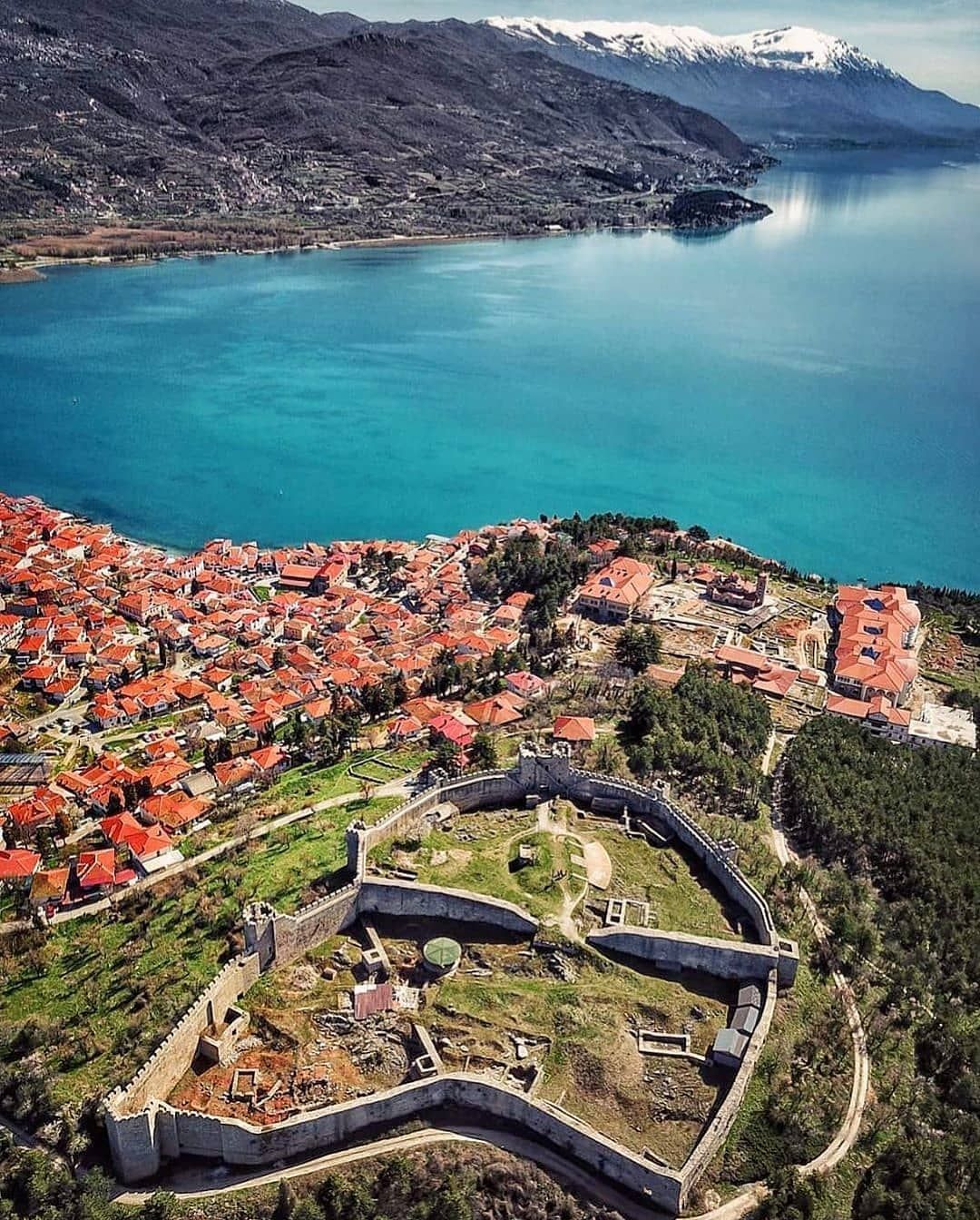
North Macedonia publishes no threshold, fund, fee, processing time or list of approved projects: naturalisation in the national economic interest is a discretionary Government decision under the Law on Citizenship, and every price in circulation traces to agents rather than to the State. The European Commission recorded one such grant in 2023, two in 2024 and one in 2025, and it has asked North Macedonia to abolish the scheme and repeal its legal basis.
Türkiye’s route, by contrast, is written into a regulation with published figures and a certificate from a named authority for each route. The North Macedonia page sets out the record in full.
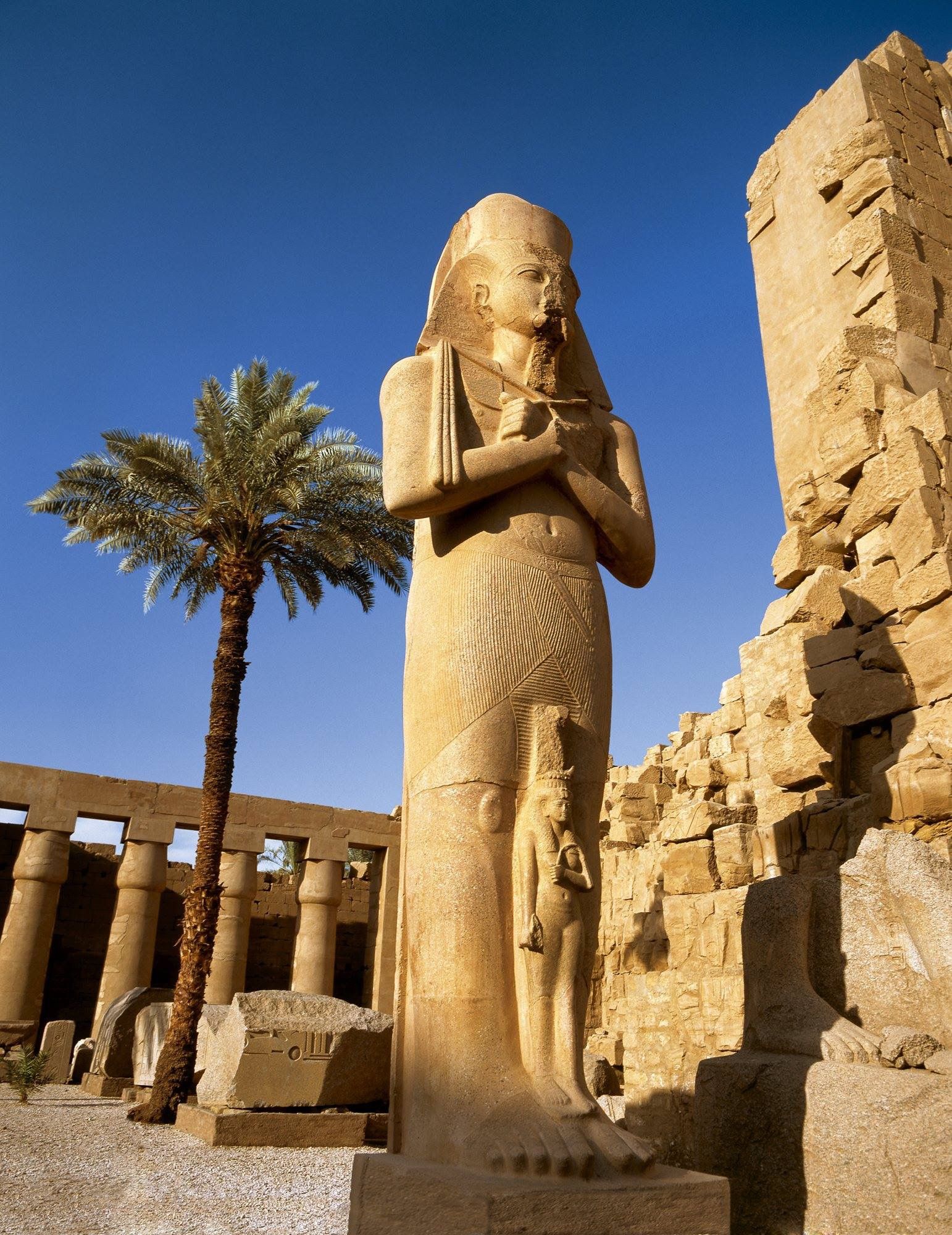
Egypt grants citizenship on four routes published on the Cabinet’s citizenship portal: USD 250,000 paid to the state treasury and not refunded, USD 300,000 to buy property, USD 450,000 for an investment project, of which USD 100,000 goes to the treasury and is not refunded, or USD 500,000 placed interest-free at the Central Bank of Egypt for three years and paid back in Egyptian pounds. Disposing of the property or the project within five years keeps the nationality only against a further USD 250,000 to the treasury. Every applicant also pays a non-refundable USD 10,000 application fee, transferred from abroad. The file is examined by the Cabinet’s citizenship unit hosted at the General Authority for Investment and Free Zones.
The comparison with Türkiye turns on what the money becomes: Egypt’s lowest route is a payment the State keeps, while Türkiye’s USD 400,000 real estate route leaves the investor owning the property. The Egypt page sets the two side by side.
Dominica’s Citizenship by Investment Unit applies the Citizenship by Investment Regulations 2024 (S.R.O. No. 8 of 2024). The Economic Diversification Fund route is US$200,000 for a main applicant and US$250,000 with up to three dependants, then US$25,000 for each further dependant under 18 and US$40,000 for one aged 18 or over. The real estate route is US$200,000, with a government fee of US$75,000 for a single applicant or US$100,000 with up to three dependants, and the property is held three years from the grant, five if the next buyer is also a citizenship applicant. Due diligence costs US$7,500 for the main applicant and US$4,000 for each dependant aged 16 or over. Full detail: Dominica citizenship by investment.

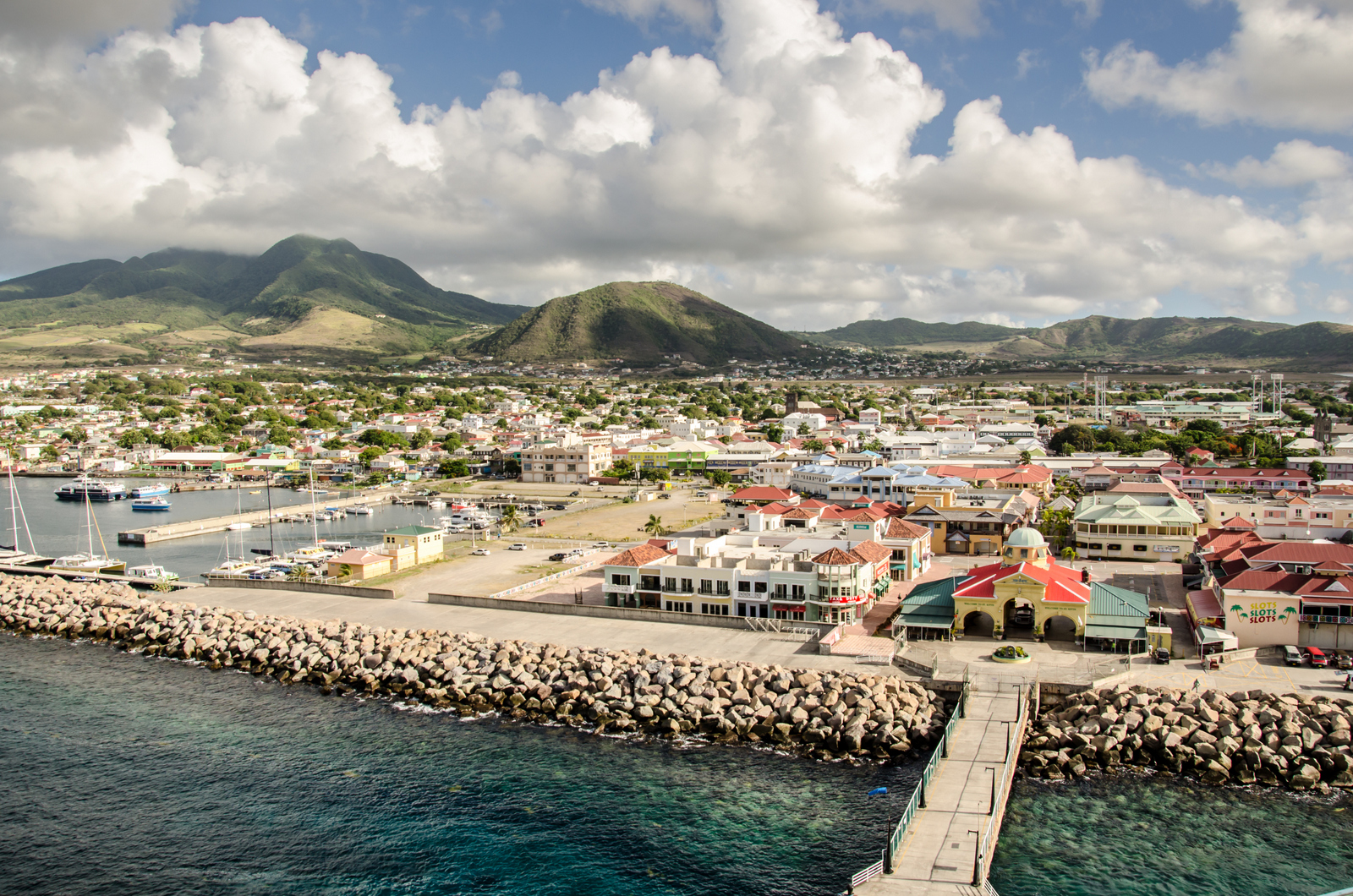
St Kitts and Nevis runs four routes under the Citizenship by Substantial Investment Regulations 2024 (S.R.O. No. 20 of 2024, amended by S.R.O. No. 43 of 2024). The Sustainable Island State Contribution is US$250,000 for a main applicant or a family of up to four, plus US$25,000 for each further dependant under 18 and US$50,000 for one aged 18 or over. The Public Benefit Option is US$250,000 in a unit of an approved public benefit project. Real estate is US$325,000 in an approved development, resaleable after seven years, or US$600,000 in private real estate. Due diligence is US$10,000 for the main applicant and US$7,500 for each dependant aged 16 or over. The Sustainable Growth Fund that many pages still name no longer exists. Full detail: St Kitts and Nevis citizenship by investment.

Austria operates no citizenship by investment program and no golden visa: there is no application route, no published price and no investment schedule. Article 10(6) of the Citizenship Act 1985, a constitutional provision, lets the Federal Government confirm that a grant of citizenship is in the special interest of the Republic for extraordinary services already rendered and expected; no financial threshold is written into it, the decision is discretionary, and passive investment does not qualify. What does exist is a quota-limited settlement permit for applicants who can support themselves without working, which is a residence permit and not a route to a passport. See Austria citizenship by investment.
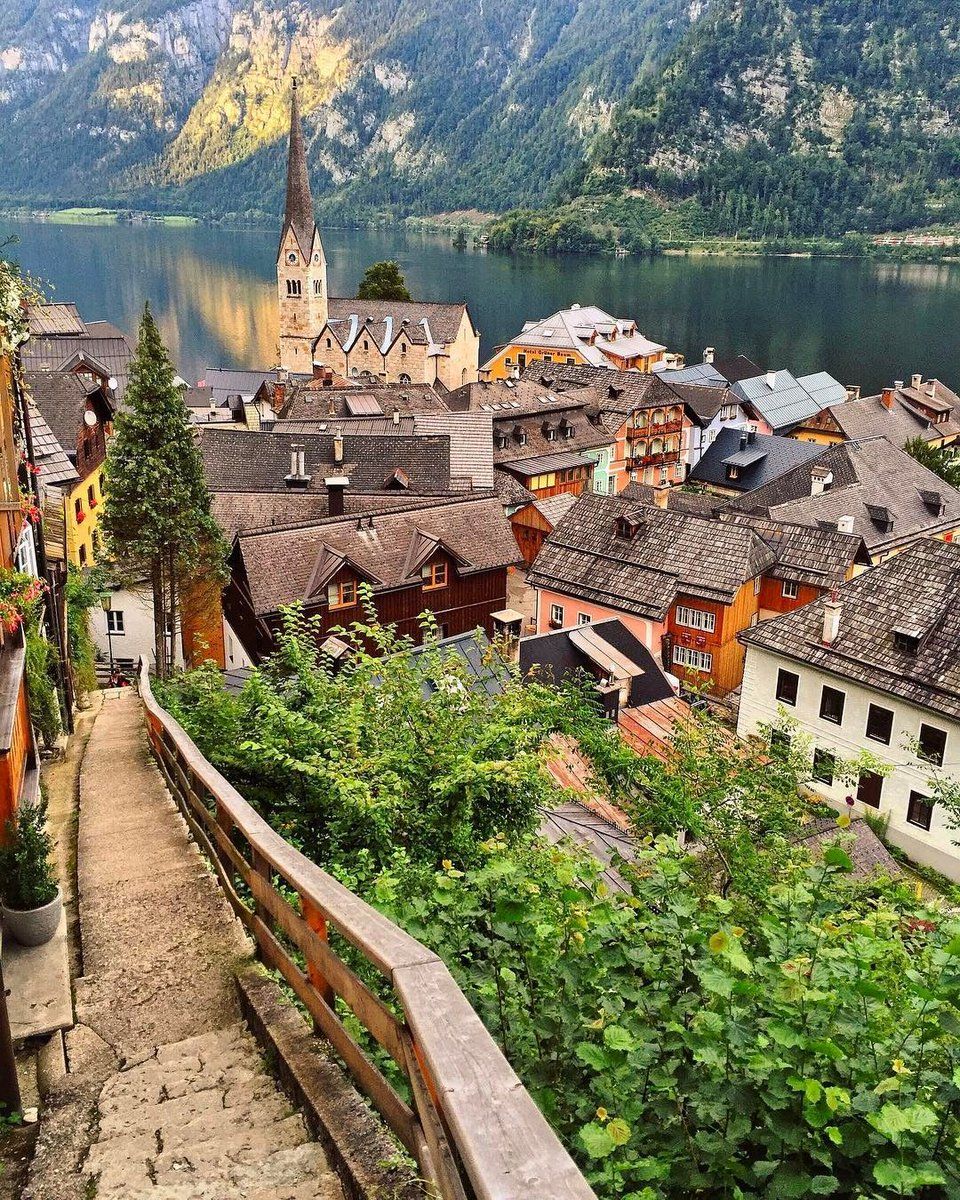
The Vanuatu Citizenship Commission recognises four programmes under the Citizenship Act [Cap 112]: the Capital Investment Immigration Plan, honorary citizenship under the Development Support Programme, the Vanuatu Contribution Program and the Real Estate Option Program. The Development Support Programme costs USD 130,000 for a single applicant plus a USD 5,000 Financial Intelligence Unit due diligence fee, and it grants honorary citizenship; the Capital Investment Immigration Plan is USD 260,000. The European Union has moved Vanuatu from its visa-exempt list to the list of nationals who need a visa, and Vanuatu remains there. Full detail: Vanuatu citizenship by investment.
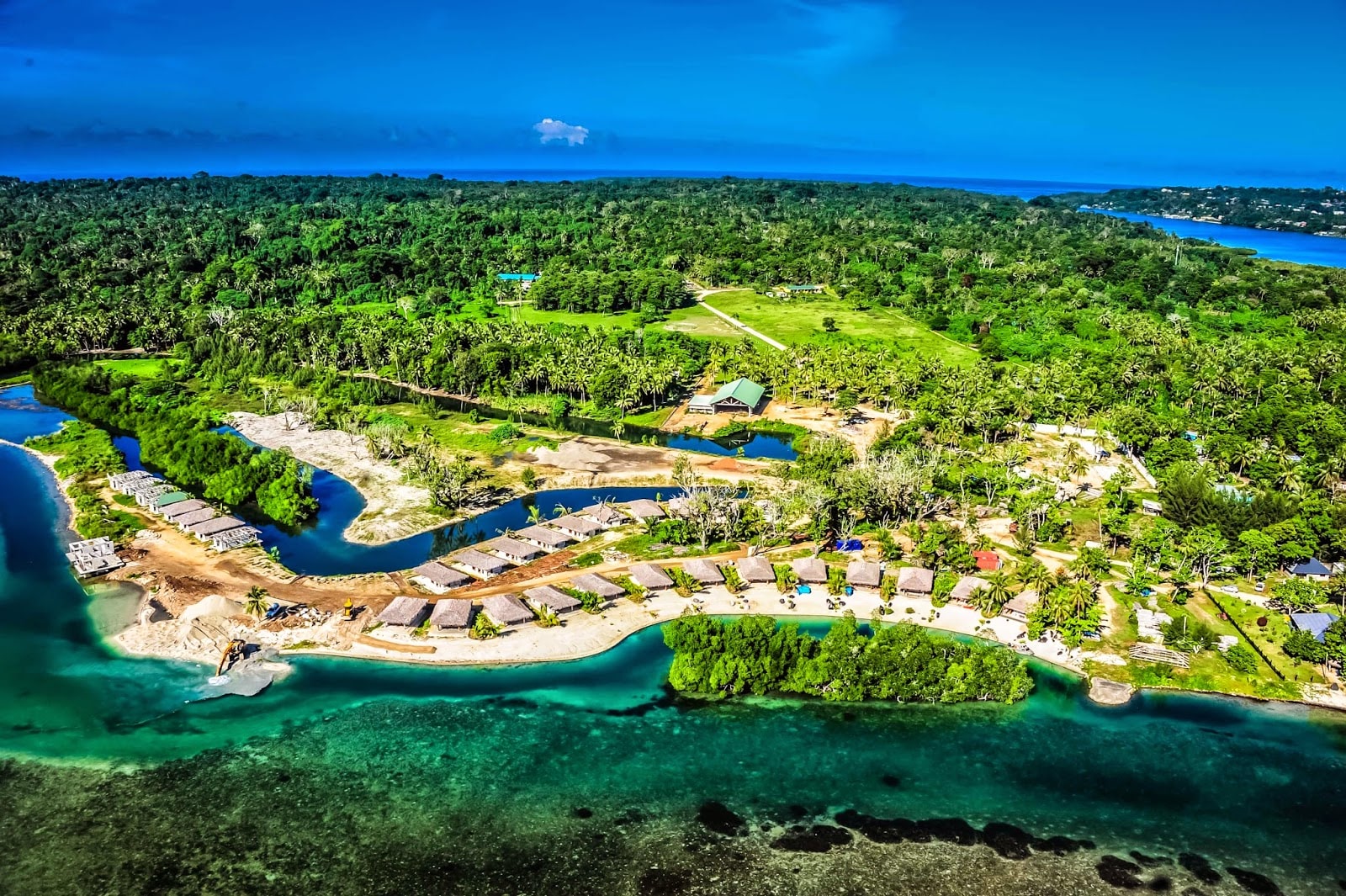
Grenada’s Investment Migration Agency applies the Citizenship by Investment (Amendment) (No. 2) Regulations 2024, S.R.O. No. 15 of 2024, in force since 1 July 2024, which repealed S.R.O. No. 12 of 2024. The National Transformation Fund is US$235,000 for a main applicant with up to three dependants. The approved project route is US$350,000 plus a US$50,000 government contribution, with disposal barred for five years from the grant, and a shared unit in a tourism accommodation project bought by two or more individuals is US$270,000. The US$150,000 and US$220,000 figures still shown on the Agency’s own website are the pre-2024 figures the regulation replaced, and the regulation decides. Grenada has held E-2 treaty status with the United States since 1989, and United States law now asks a citizen by investment for three years of domicile in Grenada before it can be used. Full detail: Grenada citizenship by investment.
Greece grants no citizenship in return for an investment. The investment buys a five-year renewable permanent residence permit for investors under Article 100 of the Immigration Code (Law 5038/2023), as amended by Article 64 of Law 5100/2024. The minimum is EUR 800,000 in the Region of Attica, the Regional Unit of Thessaloniki, Mykonos, Thira and every island of more than 3,100 inhabitants, Euboea included; EUR 400,000 in the rest of the country; and EUR 250,000 for a property converted to residential use or a listed building to be restored. The value must sit in one property, built property needs at least 120 square metres of main areas, short-term letting is prohibited, and resale during the permit revokes it.
Greek citizenship is a separate application: seven years of lawful permanent residence, then naturalisation with an examination in Greek language, history, geography, culture and institutions. The Greece page sets the permit beside Türkiye’s citizenship route.

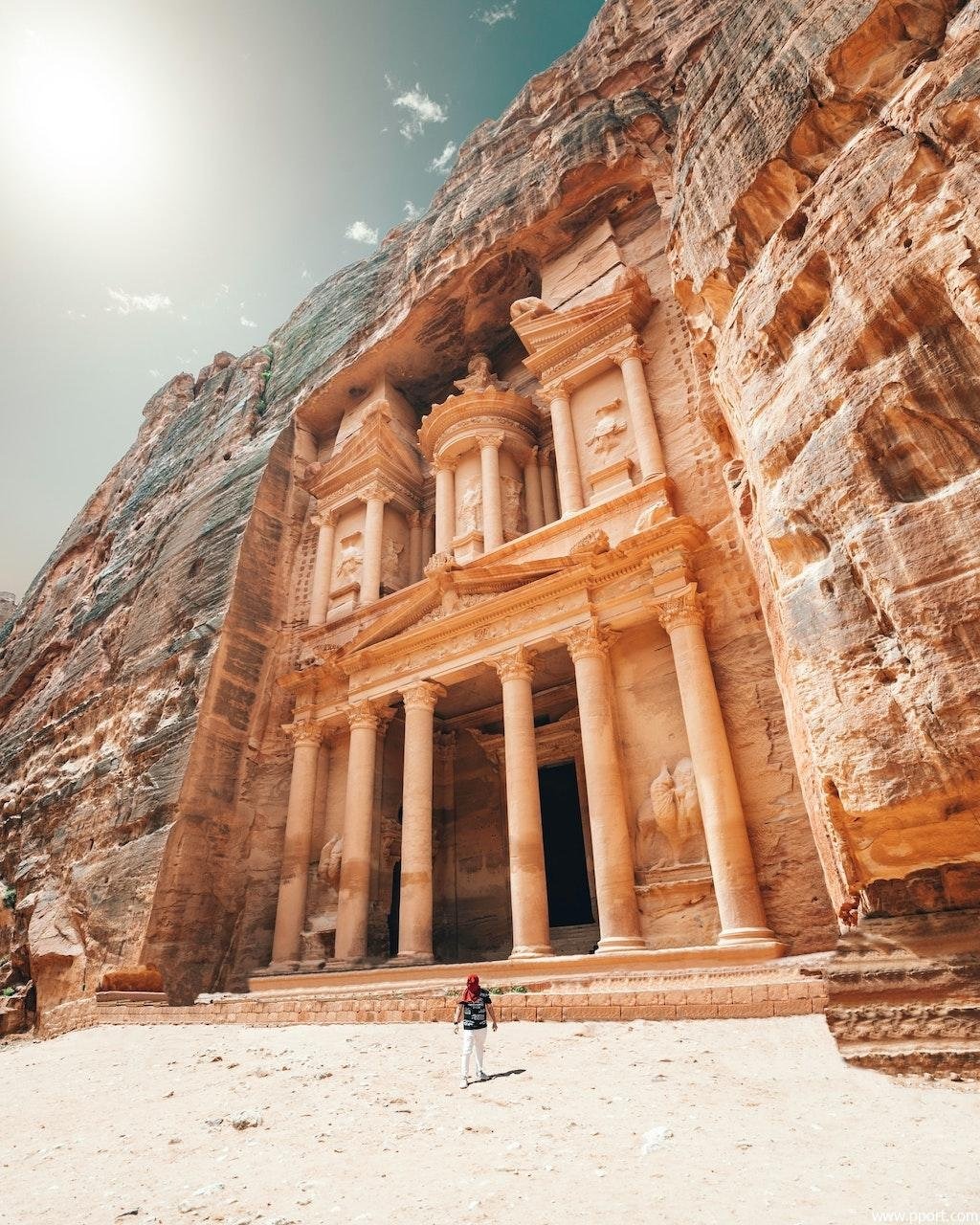
On 15 July 2026 the Jordanian Cabinet adopted new bases for investor citizenship, which the Jordan News Agency (Petra) published that day. The routes are now set in Jordanian dinars: JOD 700,000 of paid-up capital for a new productive project in Amman or JOD 500,000 outside it, with Jordanian jobs; JOD 1 million of new shares in an existing project; JOD 1.5 million of shares on the Amman Stock Exchange, held five years; or a payroll of 150 Jordanians in Amman or 100 elsewhere. The Central Bank deposit and treasury bond routes do not appear in the new bases at all, so the US$1,000,000 deposit, the US$1,000,000 treasury bills and the older share and SME figures still quoted online belong to the superseded framework. On most routes citizenship is not granted at approval. Full detail: Jordan citizenship by investment.
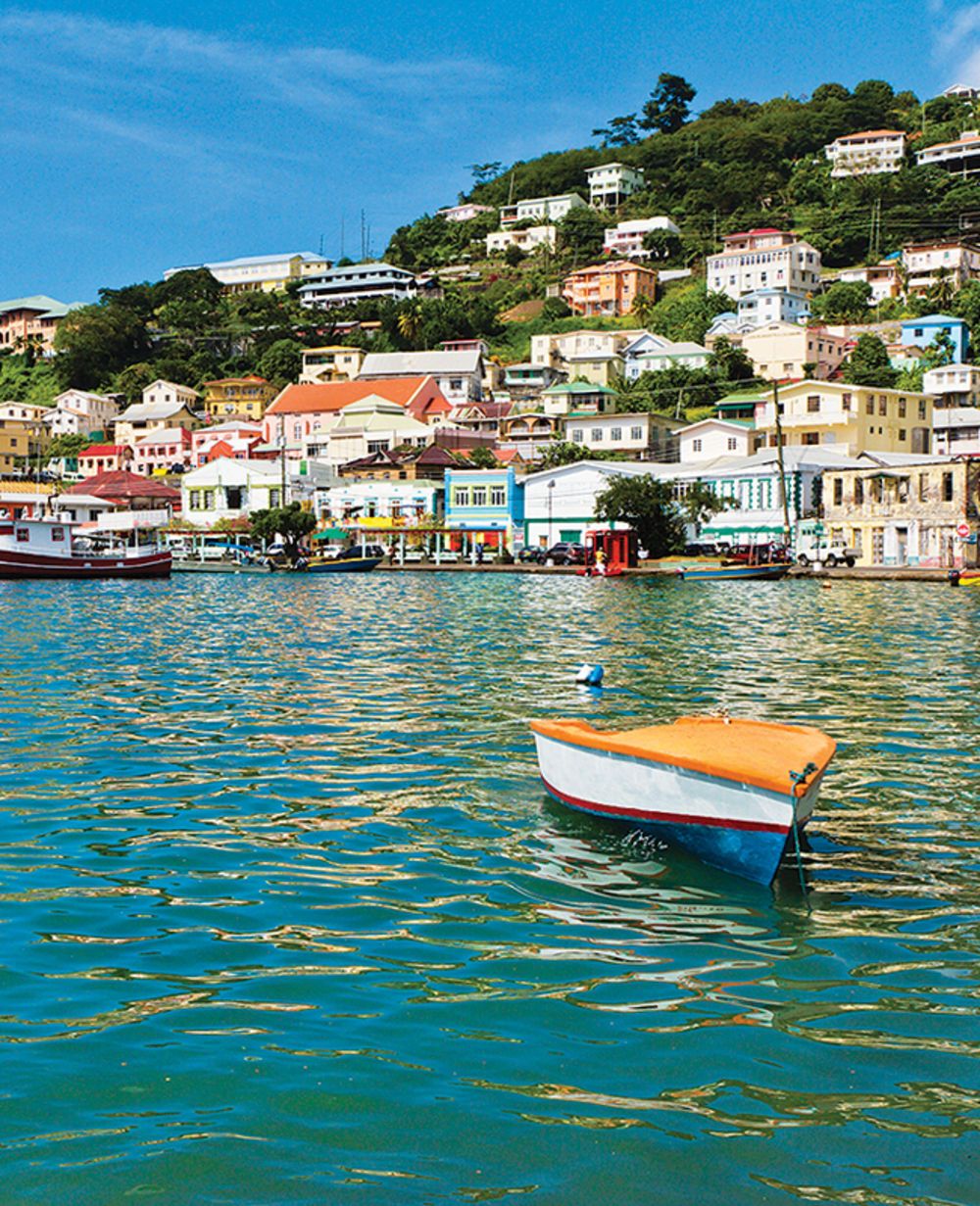
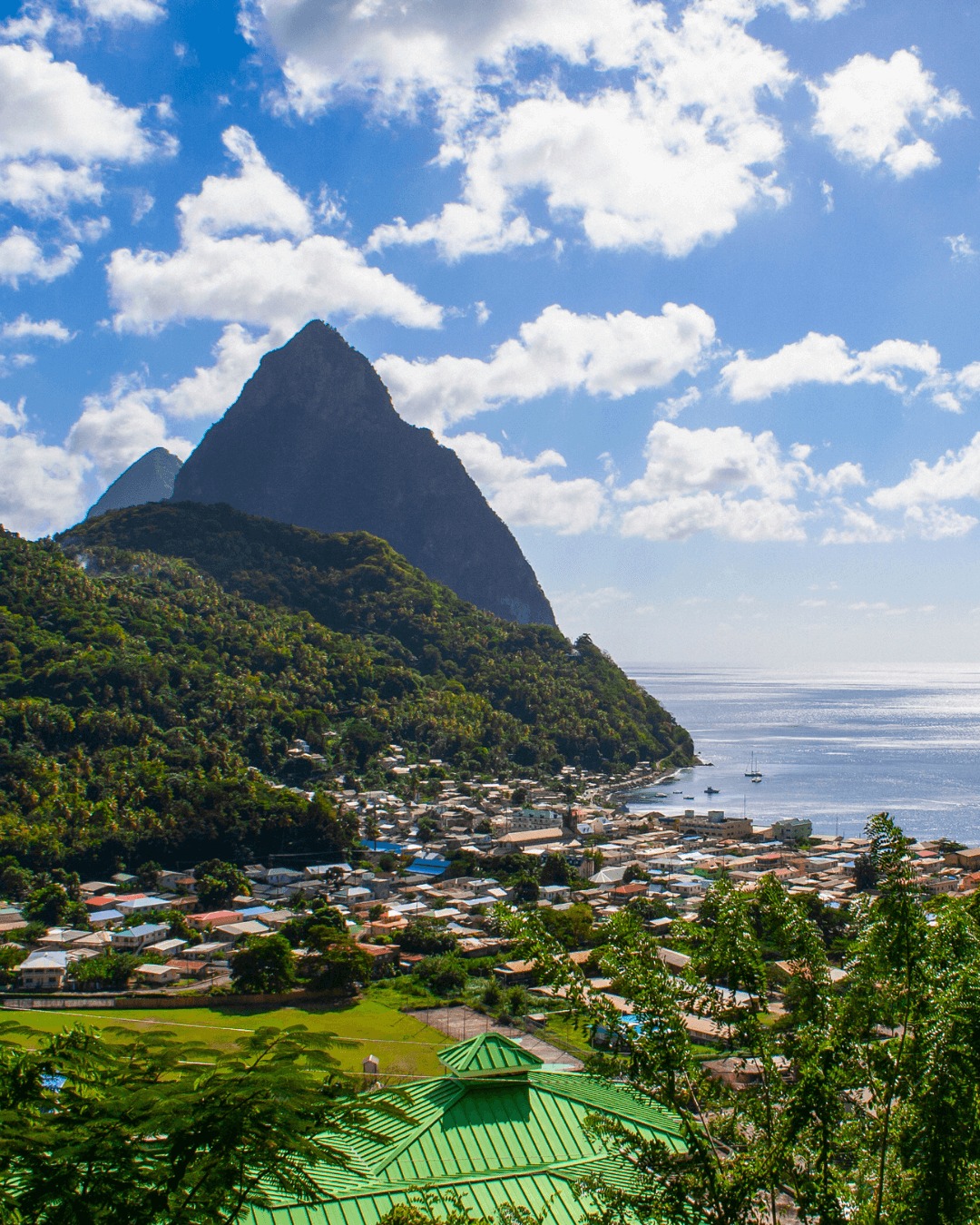
Saint Lucia’s Citizenship by Investment Unit runs five routes under the Citizenship by Investment Act and its 2026 Regulations, and since 1 January 2026 the Act requires the applicant and every qualifying dependant to meet prescribed residency and genuine link requirements. The National Economic Fund is US$240,000 for an applicant with up to three dependants, plus US$10,000 for each further dependant under 18 and US$20,000 for one over 18. Approved real estate is US$300,000 plus administration fees. The National Action Bond is US$300,000 plus a US$50,000 non-refundable administration fee, held five years from the date of first issue. An Approved Enterprise is US$3,500,000 plus a US$50,000 administration fee for a sole applicant, or US$6,000,000 for a joint venture in which each applicant contributes at least US$1,000,000. Since March 2026 a built apartment or villa qualifies at US$500,000, and a Cabinet-approved enterprise project at US$250,000; the Board may approve at most 1,500 applications a year. Full detail: Saint Lucia citizenship by investment.
Questions buyers ask before choosing a program
Does a golden visa lead to citizenship?
Not by itself. A golden visa is a residence permit, and citizenship, where it can follow, needs a separate naturalisation application after years of residence: in Greece, seven years of lawful permanent residence and an examination, which the investment does not shorten. Citizenship by investment grants the passport itself, as Türkiye’s route does once the certificate for the chosen route is issued. The difference is set out in full on golden visa or citizenship by investment.
Which country offers the cheapest citizenship by investment?
Dominica’s US$200,000 contribution to the Economic Diversification Fund is the lowest published figure for full citizenship. Vanuatu’s USD 130,000 Development Support Programme is lower, but it grants honorary citizenship. A contribution is money paid to the State; Türkiye’s USD 400,000 real estate route costs more on paper and leaves the buyer owning the property.
Can the whole family be included?
Türkiye includes the spouse and the children who are minors or dependent in one application with no extra investment, and an adult child comes in as a dependant on documents assembled before filing. Dominica’s fund route is US$250,000 with up to three dependants, St Kitts and Nevis’s contribution covers a family of up to four at US$250,000, and Grenada’s US$235,000 and Saint Lucia’s US$240,000 each cover up to three dependants. Greece extends its residence permit to the spouse or registered partner, children under 21 and the parents of either spouse.
Which citizenship by investment programs have closed?
Malta’s was repealed on 29 July 2025 after the Court of Justice judgment of 29 April 2025 in Case C-181/23. Cyprus ended its programme on 1 November 2020 and deleted the enabling section in December 2025. Montenegro stopped accepting applications on 31 December 2022. Austria never had one.
Do I have to live in the country?
Türkiye sets no residence requirement and asks for one short biometric visit. Antigua and Barbuda requires five days in the country within five calendar years after naturalisation, or citizenship may be revoked. Saint Lucia requires residency and a genuine link from the applicant and every dependant since 1 January 2026. In Greece the road to citizenship runs through seven years of lawful residence.
Which nationalities are banned from citizenship by investment programs?
St Kitts and Nevis does not accept applications from citizens of Afghanistan, Belarus, Iran, Iraq, North Korea and Russia, for reasons of national security and public safety. Antigua and Barbuda keeps a restricted countries list, updated by its Cabinet on 26 February 2020 (Afghanistan, Iran, North Korea, Somalia, Yemen and Sudan), whose nationals may apply only on further criteria such as long residence elsewhere and no economic ties to the listed country. Dominica runs an enhanced due diligence check, at higher fees, for citizens of countries specified by ministerial notice in its Gazette. Each of the five Caribbean programs also refuses an applicant who was refused a visa by a country its citizens visit without one, unless the visa was later obtained.
Closed programs, and the instrument behind each closure
Three of the programs most often quoted to buyers are closed, and each closure has an instrument and a date behind it.
Malta: ruled unlawful, then repealed
On 29 April 2025 the Grand Chamber of the Court of Justice of the European Union held in Case C-181/23, Commission v Malta, that an institutionalised citizenship investment scheme breaches EU law, and Malta deleted the framework from its law on 29 July 2025. The figures still circulating, a EUR 600,000 or 750,000 contribution, EUR 700,000 of property and 36 or 12 months of residence, belong to those deleted regulations; naturalisations already granted were not cancelled. See Malta citizenship by investment.
Montenegro: the program lapsed, the law did not
Montenegro stopped accepting economic citizenship applications on 31 December 2022 and nothing replaced it. The enabling provision, Article 12 of the Law on Montenegrin Citizenship, has not been repealed, and the European Commission asked Montenegro to repeal it in November 2025. See Montenegro citizenship by investment.
Cyprus: terminated, and the power deleted
The Cyprus Investment Programme was terminated on 1 November 2020, and in December 2025 Parliament deleted the enabling section, removing the Council of Ministers’ power to naturalise investors; nothing remains to reopen. See Cyprus citizenship by investment.
Questions about a program or a file
Questions go to the firm, and the Turkish file itself is described on the citizenship by investment lawyer page. Write to info@serkalaw.com or message +90 530 127 59 35.